Priced for Armageddon: How to Value a Sector Everyone Has Decided to Hate
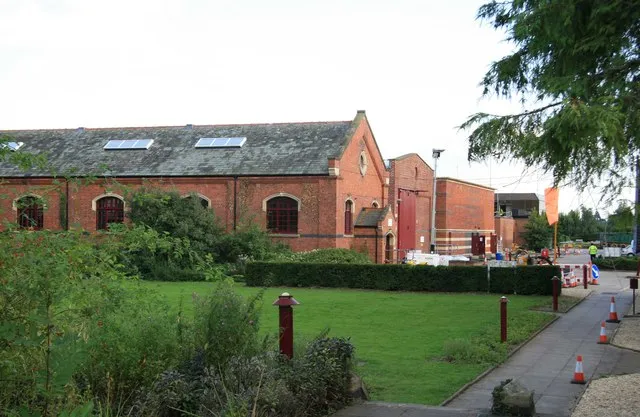
Photo: Chris Allen , CC BY-SA 2.0, via Wikimedia Commons
There are sectors the market dislikes, and then there are sectors the market has stopped analysing altogether. UK water is in the second category. It has become a shorthand for everything wrong with British infrastructure: sewage on the beaches, dividends paid into leveraged structures, executives on pay packages that read like a satire outline.
All of that is true. It is also, from an analytical standpoint, completely beside the point. Because prices do not reflect whether a company deserves your sympathy. They reflect what the marginal buyer is willing to pay, and at the moment almost nobody is willing to pay anything at all.
This is not a recommendation. It is a framework for pricing something that everyone has given up on.
What you actually own
The single most useful idea in regulated utilities is the regulated asset base — the RAB. It is the accumulated capital the regulator has agreed the company is allowed to earn a return on. It is not a market value. It is an accounting construct blessed by Ofwat, indexed to inflation, and it grows every year as the company spends on pipes, treatment works and reservoirs.
Here is the paradox. A water company's share price can halve while its RAB keeps compounding at close to inflation plus capex. The gap between market capitalisation and RAB is, roughly speaking, the market's view of how much of that asset base will ever be delivered to shareholders rather than to creditors, regulators and the courts.
When the gap gets wide enough, the equity is not being valued as a business. It is being valued as a call option on regulatory goodwill.
The bond stack is the real story
Most of the commentary focuses on the equity. The money is in the debt.
A typical large water company is financed with something like 60-75% debt, much of it index-linked and much of it sitting in an operating company ring-fence. The Thames Water saga taught the market a lesson it will not quickly forget: in a special administration regime, the senior secured creditors are the ones in the room where it happens. Equity holders are a footnote.
So the question for a contrarian is not 'which water stock bounces first'. It is 'where in the capital structure is the mispricing'. Answer honestly and you often find that the equity is fairly priced for disaster, while a slice of the debt stack is priced as if recovery rates were zero when the underlying assets are, in fact, essential, regulated and physically present under every street in the country.
The settlement is the whole game
The current five-year price review period sets allowed returns, totex allowances and outcome targets. Everything the equity is worth hinges on how the next one lands and, in the meantime, whether the current one is enforced with any teeth.
The political economy here is not subtle. Ofwat has spent years being accused of being captured, and it now has every incentive to demonstrate the opposite. That means tighter allowances, more demanding environmental targets and a lower cost of capital than the companies asked for. For the equity, that is a headwind dressed as a settlement.
But note the asymmetry. A punitive settlement hurts the equity and strengthens the senior debt, because the same regulatory framework that squeezes returns also guarantees that the revenue keeps flowing. Water bills get paid. That is not sentiment, it is statute.
Which name, not which sector
There is no such thing as a water sector trade. The listed names are materially different animals.
One is a pure regulated network with a big RAB and a relatively conservative balance sheet, where the share price has fallen largely on guilt by association. One is a diversified group where the water business sits alongside environmental services and a history of more aggressive financing. One carries a debt load that makes the equity a leveraged bet on the settlement outcome and nothing else.
Treating these as a single basket is how people lose money. The contrarian approach is to sort by three things: net debt to RAB, the proportion of index-linked debt, and how much of the dividend is being funded from operating cash flow rather than new borrowings. Rank on those and the sector dissolves into three completely different bets — one dull, one cyclical, one genuinely speculative.
How to price a pariah
Four rules.
Rule one: separate essentiality from management. The pipes are monopolies. The people running them are not your friends. Value the asset, discount the stewardship.
Rule two: assume the regulator wins. In any dispute between a water company and Ofwat, bet on Ofwat. Then ask whether the valuation survives that assumption. If it does, you have found something. If it only works on a benign settlement, you have found a lottery ticket.
Rule three: check who gets paid in the bad case. A dividend is optional. Interest is not. When a company is under stress, the equity holder moves to the back of the queue in a way that is legally enforceable and remarkably fast.
Rule four: be suspicious of the phrase 'nationally significant'. It is used to mean too important to fail, and usually what is meant is too important to let equity holders fail comfortably. National significance protects the pipes, not the share register.
The uncomfortable conclusion
UK water is not a hidden gem, and it is not a value trap either. It is a sector where the equity has been correctly de-rated and the debt has been indiscriminately marked down alongside it. Those are different mistakes.
The contrarian case here is not that the sewage headlines are overdone. They are not. The case is that a market which has priced an entire essential industry for permanent crisis has probably mispriced something — and it is unlikely to be the part that gets the press coverage.
Pariahs are only expensive when you buy them on hope. Buy them on the capital structure, and the odds look rather different.